Appoly builds AI enablement in Australia from South Melbourne. A senior team does the work, and delivery is human-led and AI-accelerated.
The work covers AI enablement consulting and AI adoption for Australian businesses. A smaller team gets a half-day audit and a 30, 60, and 90 day plan. A board gets a maturity, use-case, and governance roadmap they can sign.
In practice
At AIM Housing, we rebuilt field operations on mobile and back-office workflow on the web, then added an AI layer that helps staff prioritise and route work. The housing operation was complex and only partly digitised, and it had to move onto one platform without a 12-month freeze on existing work.
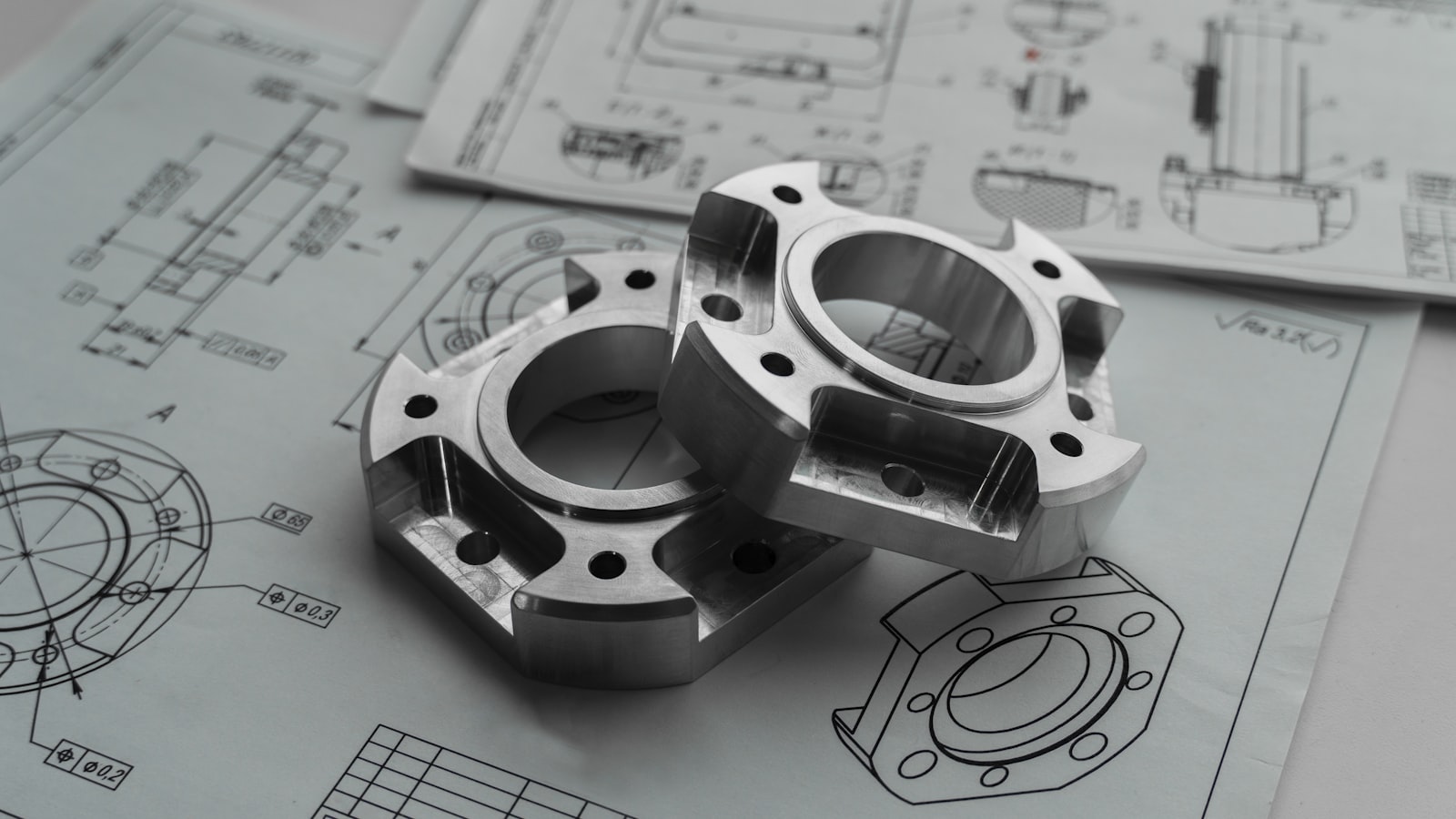
For an industrial engineering client, we built an AI and ML pipeline that turns valve specification documents into searchable, structured data. Engineers used to spend a day extracting pressure ratings, material types, and connection sizes from inconsistent PDF datasheets supplied by hundreds of manufacturers. They upload a datasheet or a folder of them; the system returns clean, validated records with cited source snippets so anomalies can be reviewed. Manual extraction time fell by 95 percent, and the pipeline processed 10,000+ documents in days. The structured output feeds procurement and project tooling, and the same pipeline is being extended to adjacent document types.
How we work
Working software reaches users every fortnight. You own the code, infrastructure, and documentation. We hand those over cleanly, without lock-in or bespoke frameworks.
If personal information is in scope, Privacy Act duties sit in the same plan, including the Australian Privacy Principles. Guardrails and audit work sit with AI Agent Governance & Security. Agents that plan and act sit with AI Agent Development. Putting a model inside a product you already run is AI Integration.
For boards and executive teams
Boards ask for a strategy, executives for a pilot that proves value, and operators for tools that do not break, and those conversations rarely line up. We translate them into a roadmap engineering, risk, and finance can all sign.
We look at AI maturity across data, tooling, capability, and governance, then rank use cases with ROI modelling and a build, buy, or partner call on specific capabilities. We also map Privacy Act and IP exposure, who owns AI internally, how it is funded, and how vendors plug in. You leave with a 12-month plan with quarterly checkpoints, and an offer to help build the first piece or brief whoever does.
For smaller Australian businesses
Most Australian businesses do not have a 50-person AI team. They have a finance lead, an ops manager, and a marketing person, all wondering whether to try Claude or Copilot, and what to use it for.
We come in, look at the day-to-day, and find five to ten specific places AI can save hours this quarter. Then we help you implement them, with sensible tooling and training.
A half-day audit covers your data, workflows, and people. You get a ranked opportunity map by hours saved per dollar invested, tooling recommendations (off-the-shelf where it works, custom only where it pays), workshops with your team, and a 30, 60, and 90 day plan with outcomes you can check.
This is for Australian businesses with 10 to 250 staff, an ops or tech lead who can champion it internally, and a willingness to change a workflow when AI can do the work better.